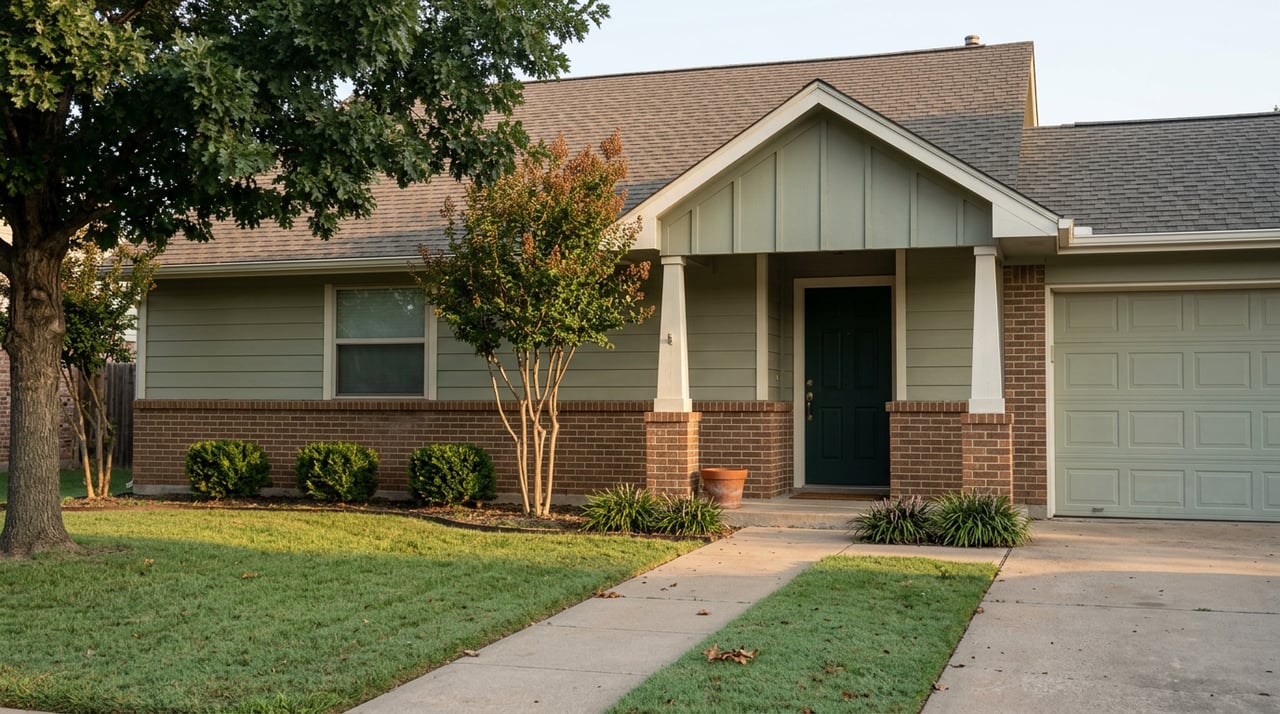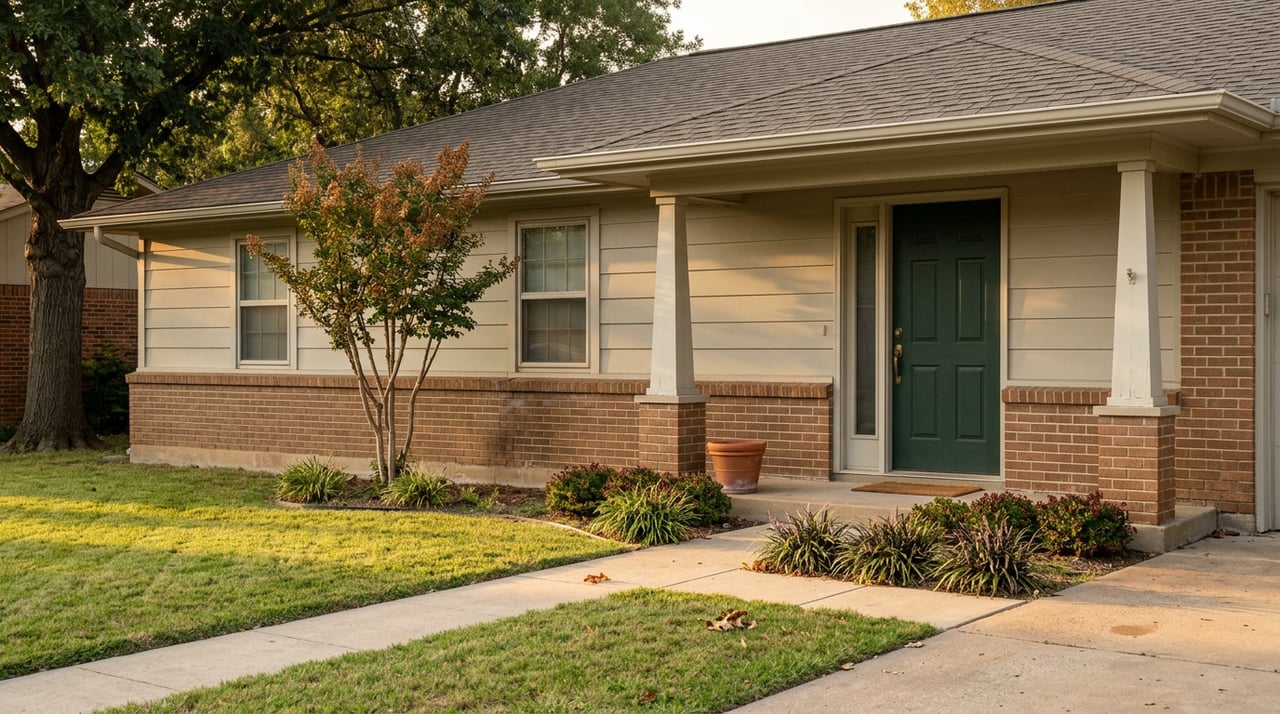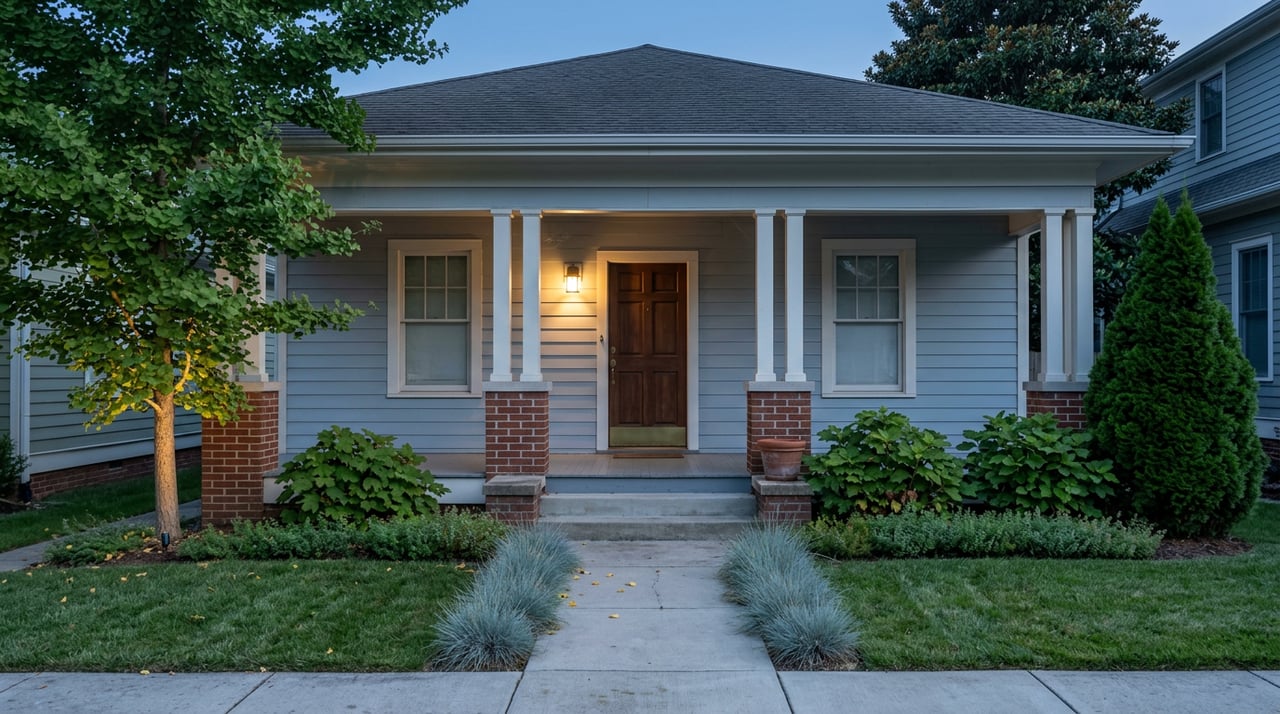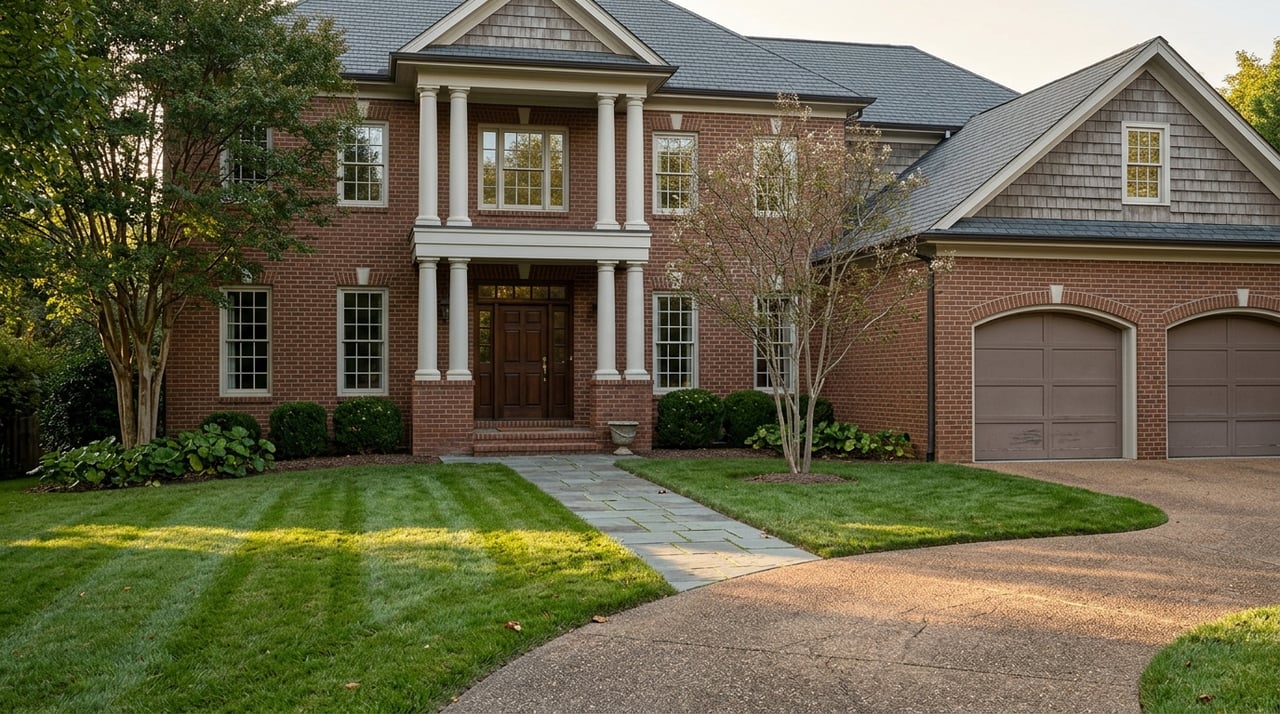
A buyer who has just gone under contract on a home in one of Chenal Valley's gated pockets will, at some point between closing and their first spring lawn treatment, receive two separate association bills from two separate boards. One comes from the Chenal Valley Property Owners Association, the master group that maintains the parkway landscaping, the streetlights, and the three neighborhood pools. The other comes from whichever individual neighborhood association governs their specific street, on whatever schedule that particular board has set. The two aren't coordinated. If dues go unpaid past the deadline, either board can attach a lien and an administrative fee, and pool access gets suspended until the account is current.
This catches people off guard because most buyers moving into a single-HOA subdivision expect one association, one bill, one due date. Chenal Valley isn't built that way. It's a federation of more than thirty distinct, individually platted neighborhoods sitting under one master umbrella, and that structural fact turns out to explain a lot more than just your dues statement. It's also the reason the "median home price" you find for Chenal Valley changes depending on which website served it to you.
The Same Neighborhood, Four Different Price Tags
Pull up Chenal Valley on a few different sites and you'll get numbers that don't seem to describe the same place. One page reports a trailing-12-month median sale price of $525,000, up 3% year over year. A separate sold-comps page for the same neighborhood name puts the median at $500,060, down 1% over the same kind of window. A third page, using the shorter label "Chenal" instead of "Chenal Valley," reports an average sale price of just $256,310, down 6%. Meanwhile, an analysis built on Census ACS 2024 data pegs the ZIP code 72223 median home value at $451,800, nearly double the citywide Little Rock median of roughly $247,000 that Redfin reported for February 2026.
None of these sources is wrong. They're measuring different shapes.
| Source and label used | What it's actually drawing a boundary around | Price reported | Window |
|---|---|---|---|
| "Chenal Valley" neighborhood page | Chenal Valley POA footprint, active listings | $525,000 median sale, up 3% YoY | trailing 12 months |
| "Chenal Valley" sold-comps page | Same footprint, closed sales only | $500,060 median, down 1% YoY | trailing 12 months |
| "Chenal" (shortened label) | Looser or broader boundary | $256,310 average sale, down 6% YoY | trailing 12 months |
| ZIP 72223 (Census ACS) | Entire ZIP code, including areas outside the POA | $451,800 median home value | 2024 ACS |
| Little Rock citywide | Entire city | ~$247,000 median sale | February 2026 |
A ZIP code sweeps in homes that sit inside 72223 but outside the actual Chenal Valley Property Owners Association boundary. A page using the plain word "Chenal" without "Valley" may be pulling in a wider or differently defined set of listings entirely. The POA-specific pages track only homes governed by the association whose FAQ page confirms the two-tier dues structure. Three different polygons, three different medians, and none of them is a market correction or a crash. It's a boundary problem, and it means a single "median price" headline for Chenal Valley is close to meaningless without knowing which of these lines the source drew.
One Name, Dozens of Neighborhoods
The reason the boundary problem exists in the first place is that Chenal Valley was never one neighborhood to begin with. It's a master-planned development spanning close to 4,800 acres, built out by the real estate arm of PotlatchDeltic Corporation, and it contains more than thirty individually named subdivisions, each with its own entrance, its own covenants, and its own architectural character. Bear Den and Falstone sit near the golf course. Fletcher Ridge and Fletcher Creek offer single-level floor plans aimed at buyers who want to age in place without stairs. Kinley Ridge, platted more recently in the adjacent Fletcher Valley section, is being marketed around walkable streets and private backyards. Miramont Circle backs to the fairway. Whitehaven consists of just four lots on more than an acre apiece, zoned for Don Roberts Elementary and positioned for a view of Pinnacle Mountain. DuQuesne Place, Chalamont Place, Carter Creek Cove, Abington Court, and Woodlands Park each carry their own price register and their own pace of turnover.
That range shows up directly in listing data. New construction in the $325,000 range has been marketed as an entry point into West Little Rock. At the other end, custom estates along the Bear Den and Chenal Country Club fairways have listed north of $3 million. A median calculated across that entire spread tells a buyer almost nothing about what they'll actually pay in a specific subdivision, because "Chenal Valley" as a label covers a starter home and a golf-front compound with equal confidence.
Why the Two-Tier Dues Structure Exists at All
The same fragmentation that scrambles the price data is what produces the two separate association bills. According to the Chenal Valley Property Owners Association's own FAQ page, every property owner pays dues to two associations each year: the master Chenal Valley POA, which funds landscaping along the major streets, streetlight maintenance, and the operation of the development's three pools and parks (Champagnolle Park, Chenonceau Park, and Chalamont Park), and their individual neighborhood's POA, which funds that neighborhood's entrance and internal common areas. The master POA sends its bills at the end of January with payment due February 15. Each neighborhood-level board sets its own separate schedule. Miss either deadline and the responsible board can record a lien and tack on an administrative fee. Pool and park access is suspended for any account that isn't current, regardless of which of the two bills is the one in arrears.
The FAQ page also confirms that any change to a home's exterior or landscaping requires prior approval from the Chenal Architectural Control Committee, and that the deed restrictions in every neighborhood prohibit operating a business out of the residence. These aren't unusual restrictions for a master-planned community, but they're easy to miss if a buyer assumes one HOA packet covers everything, when in Chenal Valley it covers only half the picture.
What This Means If You're Comparing Chenal Valley to Other West Little Rock Options
If you're cross-shopping Chenal Valley against other neighborhoods in the Little Rock market, three things are worth doing differently than a typical portal search would suggest.
First, ask which boundary produced any median price you're being shown. A comp set built from the master POA footprint behaves very differently from one built off a ZIP code, and the gap between $256,000 and $525,000 for what both sources call "Chenal" is exactly the kind of number that should prompt a follow-up question rather than a snap judgment.
Second, ask for both association statements on any specific home you're serious about, not just one. The seller's title company will have both, but the master POA bill and the neighborhood POA bill are issued independently, so a seller's disclosure packet needs to include the current status of each. If you're closing in January or early February, ask specifically whether the master POA's annual bill has gone out yet and who is responsible for it, since a February 15 due date can land on a new owner within weeks of moving in.
Third, if you're planning any exterior work, from a fence to a pool to an addition, build the architectural approval process into your timeline before you waive an inspection contingency or lock in a contractor's start date. Approval isn't automatic, and it isn't optional.
A Few Straight Answers
Does every home in Chenal Valley pay the same POA dues? No. The master POA dues apply development-wide, but each of the more than thirty neighborhood associations sets its own separate dues independently, so two homes of similar value in different subdivisions can carry noticeably different total association costs.
Is Chenal Valley its own city or a Little Rock neighborhood? It's part of the City of Little Rock. The original Chenal Valley property was annexed into the city in August 1986, shortly after the bond-funded Chenal Parkway construction began.
How many distinct neighborhoods actually make up Chenal Valley? Sources describing the development put the count at more than thirty and as high as forty-five, spread across roughly 4,800 to 5,000 acres, with new sections like Kinley Ridge still being platted.
A median price is a starting point, not an answer, and in a development built from three dozen distinct neighborhoods under one name, it's often the wrong starting point entirely. If you're trying to figure out what a specific street in Chenal Valley actually costs to buy and to carry, that's a conversation worth having with someone who can pull the real comps and the real association statements rather than a citywide average.
Capital SIR works these West Little Rock neighborhoods street by street. Schedule a complimentary market consultation and we'll walk you through exactly what a specific Chenal Valley address will cost you, association bills included.