Little Rock Historic Neighborhoods -- Direct Answer
How Little Rock's Historic Neighborhoods Compare (2026)
Hillcrest: Walk Score 67 -- most walkable historic neighborhood. Streetcar suburb est. 1890s. Queen Anne to Tudor architecture. Kavanaugh Boulevard dining and retail. Allsopp Park (75 acres). Median listing $332,000, median sale $385,000.
The Heights: Walk Score 57. Bluff-top setting, quieter and more residential. Colonial Revival to Spanish Revival. Country Club of Little Rock. Median listing $607,500, median sale $722,529.
More accessible options: Quapaw Quarter (median listing $225,000), Governor's Mansion Historic District ($222,500), Capitol View-Stifft Station (median sale $175,500). Little Rock has 26 National Register historic districts including 16 historic residential neighborhoods.
Thinking about a historic home in Little Rock? You are not looking at one single market, one single style, or one single lifestyle. The first thing to know is that not every historic neighborhood offers the same experience. Hillcrest feels very different from the Heights, and both feel different from areas like Capitol View or the Quapaw Quarter. This guide covers the neighborhoods buyers ask about most, how they compare on price and feel, and what to know before you make a move.
All figures approximate. Verify current conditions with a Capital SIR agent before any purchase decision.
Quick Comparison of Little Rock's Historic Neighborhoods
| Neighborhood | Known For | Typical Market Position | Walk Score |
|---|---|---|---|
| Hillcrest | Walkability, Kavanaugh Blvd dining, Allsopp Park (75 acres), historic charm | Mid-to-upper -- median sale $385,000 | 67 |
| The Heights | Luxury historic homes, bluff-top setting, Country Club of Little Rock | Premium historic -- median sale $722,529 | 57 |
| Quapaw Quarter | Historic architecture near downtown | Accessible -- median listing $225,000 | -- |
| Capitol View / Stifft Station | Early 20th-century homes, ~1,500 homes, former streetcar suburb | Lower-to-mid -- median sale $175,500 | -- |
| Governor's Mansion District | 1880-1940 development, one of city's largest historic districts | Accessible -- median listing $222,500 | -- |
Walk Scores from Walk Score data. Prices approximate -- verify current market conditions with Capital SIR.
Why Little Rock's Historic Neighborhoods Stand Out
Little Rock has 26 designated National Register historic districts, including 16 historic residential neighborhoods. The city's oldest neighborhoods include homes and streetscapes dating from the 1840s through the 1970s, giving buyers a wide range of architecture and settings to explore.
That variety means historic Little Rock is not one uniform category. Some areas feel more walkable and social, some feel more residential and elevated, and some offer historic character at lower price points closer to the urban core. Compared with Little Rock's overall median listing price of $274,000 and median sale price of $245,000, many of these neighborhoods operate as distinct micro-markets.
Part of what makes Little Rock unique is how distinct these neighborhoods feel from one another despite being located just minutes apart. Architecture, lot sizes, elevation changes, mature trees, and even the pace of day-to-day life can shift noticeably from one historic district to the next.
Buying in a Historic Little Rock Neighborhood?
The right neighborhood comes down to lifestyle first, price second.
Our team works throughout Little Rock's historic neighborhoods and can help you understand what each area actually feels like day to day.
Neighborhood 01
Hillcrest
Hillcrest is often the first neighborhood people picture when they think of historic Little Rock. Originally part of Pulaski Heights, it began as a streetcar suburb in the 1890s, became a town in 1905, and was annexed into Little Rock in 1916.
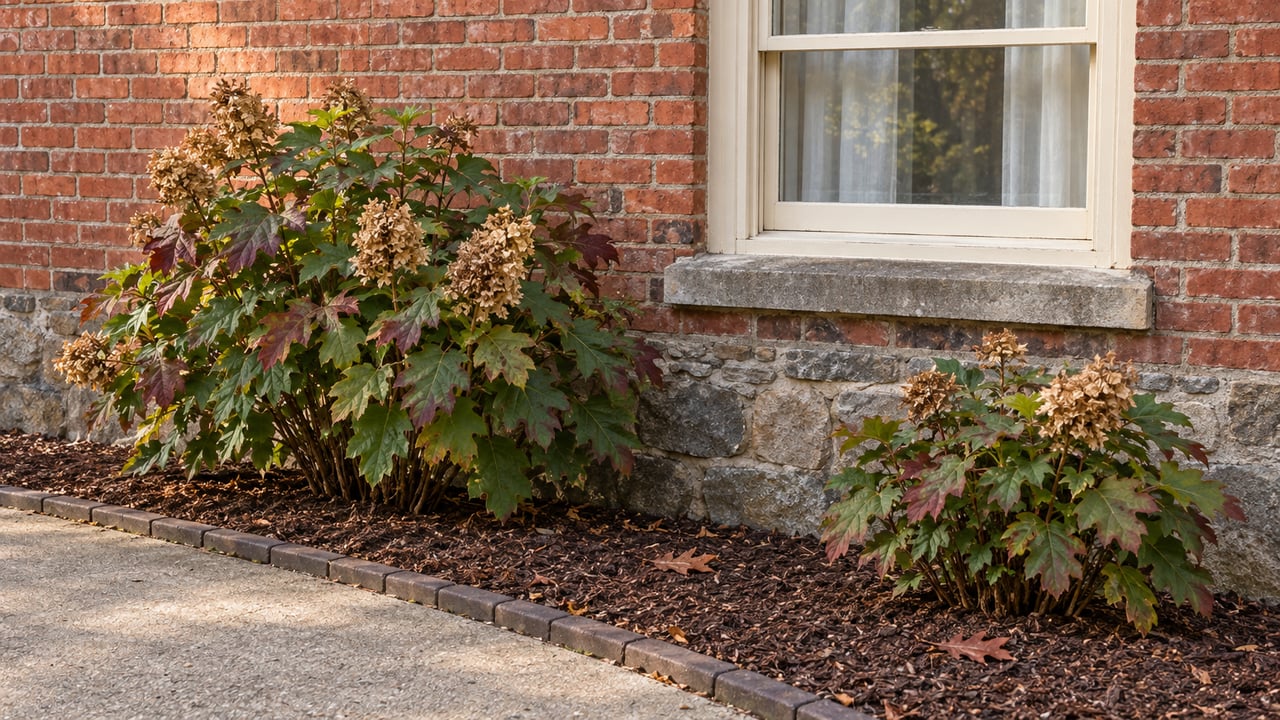
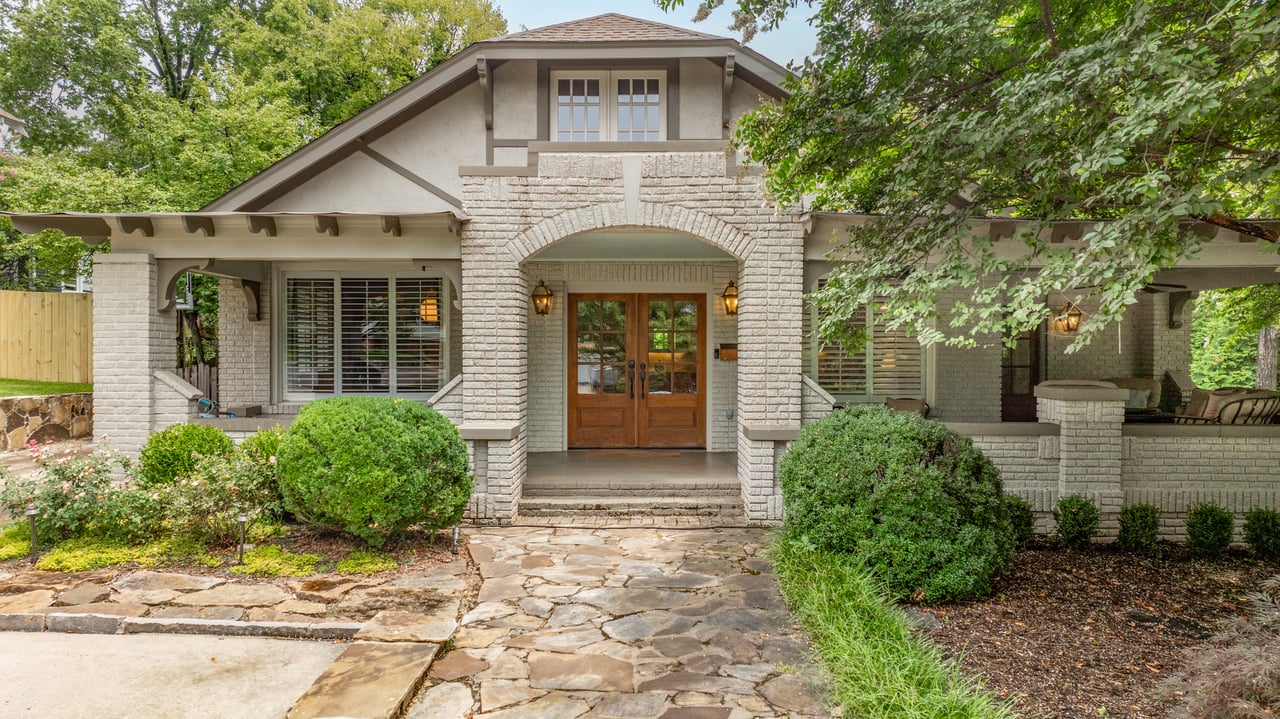
The neighborhood includes Queen Anne, Colonial Revival, Craftsman, Bungalow, Foursquare, Prairie, Tudor, and English Revival homes, along with fieldstone retaining walls that help tie the streetscape together. It includes both modest builder homes and elaborate architect-designed properties, giving the neighborhood depth and visual variety.
If walkability matters to you, Hillcrest is hard to ignore. Restaurants, coffee shops, and local businesses centered around Kavanaugh Boulevard give the neighborhood an active, connected feel throughout the week. Hillcrest also sits next to Allsopp Park, a 75-acre wooded ravine with trails and open space that gives residents quick access to outdoor recreation near central Little Rock.
Neighborhood 02
The Heights
The Heights offers a different kind of historic-neighborhood experience. While also connected to the broader Pulaski Heights story, the Heights tends to feel more residential than Hillcrest, with a smaller and more contained retail and dining presence.
The housing stock includes Colonial Revival, American Foursquare, Tudor, and Spanish Revival homes, along with Bungalow and Craftsman houses -- a layered architectural identity where varied rooflines and early suburban design all play a role in the overall feel.
Many buyers are drawn to the Heights because it offers historic architecture with a quieter rhythm. Streets feel calmer, homes tend to sit on slightly larger lots, and the atmosphere leans more private while remaining close to central Little Rock amenities. The Country Club of Little Rock, a private full-service club running along the river bluffs, provides an anchor for residents in the Heights and across the city.
Additional Districts
Other Historic Districts Worth Exploring
Capitol View is a west-of-downtown district with roughly 1,500 homes, many dating to the 1920s. Stifft Station is another former streetcar suburb, while the Governor's Mansion district is one of the city's largest historic districts, with most development taking place between 1880 and 1940.
For buyers focused on historic character at a lower entry point: Quapaw Quarter median listing $225,000, Governor's Mansion Historic District $222,500, Capitol View-Stifft Station median sale $175,500. These neighborhoods offer a different experience but remain an important part of Little Rock's architectural identity.
What Drives Value
Premium Factors and Preservation Rules
In Hillcrest, the premium often comes from the combination of architecture, walkability, and access to Kavanaugh Boulevard and Allsopp Park. In the Heights, it reflects the bluff-top setting, elevated residential feel, and the Country Club of Little Rock. Buyers are often paying for intangibles -- tree-lined streets, architectural consistency, established landscaping -- as much as square footage.
Preservation rules to understand: National Register listing is honorary and does not automatically restrict private property. Hillcrest has a design overlay district to maintain historic character. Properties within the Capitol Zoning District require Capitol Zoning District Commission approval before city permit review. If you are planning exterior changes or additions, understand the specific review environment tied to that property before moving forward.
How to Choose the Right Historic Neighborhood
Start with your lifestyle first. Ask yourself where you want convenience, how much walkability matters, and what kind of setting feels most like home.
- Choose Hillcrest if you want a lively, walkable neighborhood with a broad mix of home styles and an active local business district along Kavanaugh Boulevard.
- Choose the Heights if you prefer a quieter, more residential environment with a stronger luxury presence and bluff-top setting.
- Look at Quapaw Quarter, Governor's Mansion District, or Capitol View-Stifft Station if your priority is historic character at a lower price point.
Our team at Capital Sotheby's International Realty works throughout Little Rock's historic neighborhoods and would be glad to help you explore the market with local perspective and thoughtful guidance.
FAQs
What home styles are common in Little Rock's historic neighborhoods?
Hillcrest includes Queen Anne, Colonial Revival, Craftsman, Bungalow, Foursquare, Prairie, Tudor, and English Revival homes along with fieldstone retaining walls. The Heights includes Colonial Revival, American Foursquare, Tudor, Spanish Revival, Bungalow, and Craftsman styles. Both reflect development from the 1890s through the early 20th century.
How walkable is Hillcrest compared with the Heights in Little Rock?
Hillcrest has a Walk Score of 67 -- the most walkable historic neighborhood in Little Rock -- with restaurants, bars, and coffee shops concentrated on Kavanaugh Boulevard. The Heights has a Walk Score of 57 and a more contained retail presence, feeling quieter and more residential overall.
Why are home prices higher in Hillcrest and the Heights?
In Hillcrest the premium reflects walkability, Kavanaugh Boulevard access, Allsopp Park (75 acres), and historic character. The Heights premium reflects the bluff-top setting, quieter residential atmosphere, the Country Club of Little Rock, and a higher-end historic market with a median sale of $722,529. Buyers are often paying for intangibles -- tree-lined streets, architectural consistency, neighborhood identity -- as much as square footage.
Do historic district rules affect renovations in Little Rock?
They can depending on location. National Register status is honorary and does not automatically restrict private property. Hillcrest has a design overlay district. Properties in the Capitol Zoning District require Capitol Zoning District Commission approval before city permit review. If you are planning exterior changes or additions, understand the specific review environment tied to that property before moving forward.
Which Little Rock historic districts offer lower price points?
Quapaw Quarter (median listing $225,000), Governor's Mansion Historic District (median listing $222,500), and Capitol View-Stifft Station (median sale $175,500) offer historic character at lower price points than Hillcrest or the Heights. Capitol View is a west-of-downtown district with roughly 1,500 homes, many dating to the 1920s.
Capital Sotheby's International Realty
Explore Little Rock's Historic Market with Local Expertise
Our team works throughout Little Rock's historic neighborhoods and would be glad to help you explore the market with local perspective and thoughtful guidance.